


Denmark plans gambling advertising ban for live sports in 2027

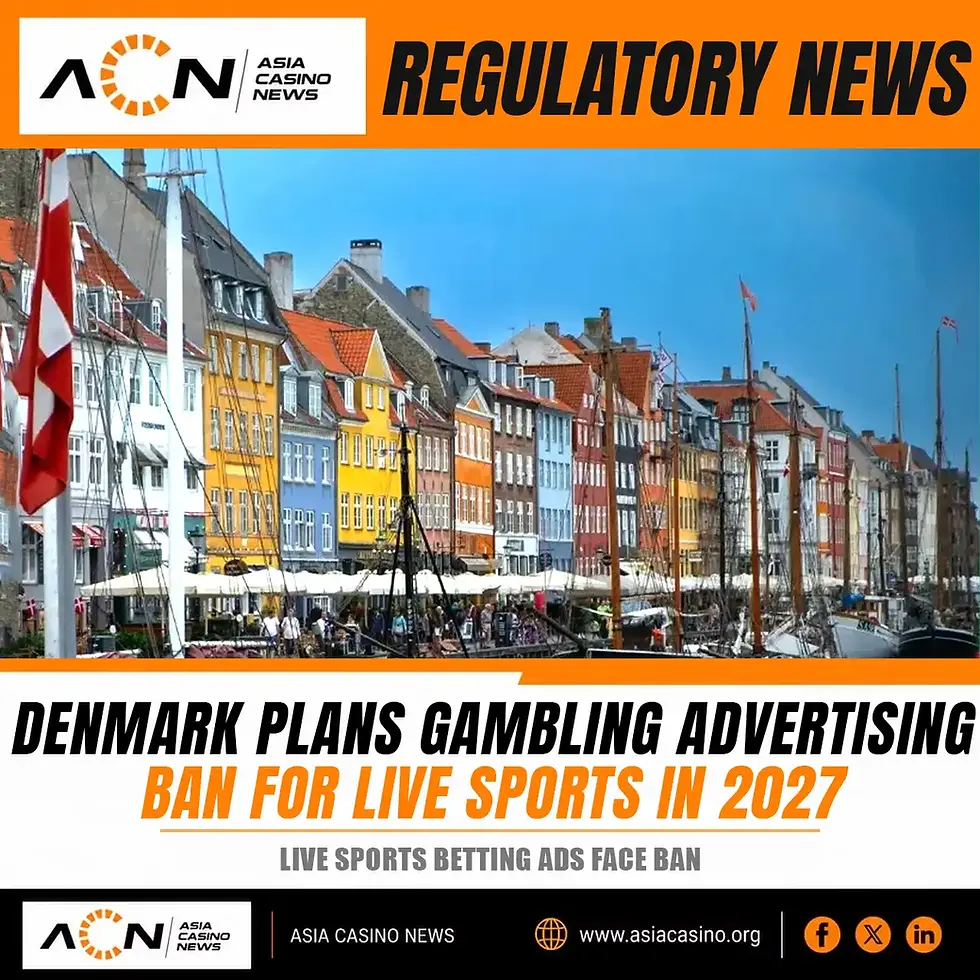
Denmark is advancing a proposed gambling reform package that would introduce stricter advertising restrictions, stronger oversight of unlicensed gambling and expanded player protection measures throughout 2027.
Denmark is preparing to tighten its gambling regulations, with a proposed ban on betting advertisements during live sports broadcasts scheduled to take effect in July 2027.
According to iGaming Business, the Danish government presented a bill to parliament on October 7, 2026, reviving a regulatory package originally introduced in October 2025. The measures are expected to be implemented in phases between January and October 2027.
The proposals, known as Spilpakken 1, cover gambling advertising, regulatory enforcement, land-based gaming operations and taxation. The latest bill follows an earlier version that lapsed following an election, with the substantive provisions reportedly unchanged.
The development places Denmark among the European jurisdictions pursuing tighter controls on gambling marketing and the operation of unlicensed services.

Denmark gambling advertising ban targets live sports
One of the most significant provisions is a proposed restriction on gambling advertisements surrounding live sporting events.
Under the bill, betting advertisements would be prohibited from 10 minutes before a sporting event begins until 10 minutes after it ends. The restriction would cover live sports broadcasts, including betting odds displayed on screens and streaming platforms.
The proposed rules are scheduled to take effect in July 2027, according to iGaming Business.
The legislation would also prohibit gambling advertisements from targeting people under 18 or featuring individuals younger than 25. Additional restrictions would apply to marketing on public transport and at facilities within 200 metres of most schools and youth education institutions.
For gambling operators, these provisions could require substantial changes to advertising campaigns, sponsorship arrangements, broadcast placements and digital marketing strategies.
The restrictions are part of a wider effort to reshape how gambling products are promoted and presented to consumers.
Proposed gambling reforms could reduce government revenue
The advertising restrictions are also expected to have financial implications for the Danish government and gambling regulator.
According to the report, the proposed live-sports advertising ban could reduce state revenue by DKK 15 million, approximately US$2.25 million, in 2027. The annual impact is projected to rise to DKK 25 million from the following year.
The Danish Gambling Authority is also expected to lose approximately DKK 1 million to DKK 2 million in fees associated with the measure.
These figures are projections cited in connection with the proposed legislation, rather than confirmed losses following implementation.
The financial estimates illustrate one of the potential trade-offs associated with tighter advertising rules: reducing gambling marketing exposure while changing the revenue and fee structures connected to the regulated market.
Danish Gambling Authority to receive stronger enforcement powers
Beyond advertising, the bill proposes additional powers for the Danish Gambling Authority, known locally as Spillemyndigheden.
The regulator would receive explicit authority to conduct inspections without first obtaining a court order when investigating suspected illegal gambling activities.
The proposed legislation would also strengthen penalties for unauthorised gambling provision. Offences could result in fines or imprisonment of up to one year in aggravated cases.
Marketing unlicensed gambling would also be criminalised under the bill, with fines calculated according to factors including company size and annual gross gaming revenue.
These provisions would give authorities additional tools to investigate suspected illegal operations and impose penalties on businesses promoting gambling services without the necessary authorisation.
For licensed operators, affiliates and advertising partners, the proposed rules highlight the importance of verifying licensing status and reviewing how gambling services are marketed within Denmark.
Player protection measures would require ongoing monitoring
The reform package also includes obligations intended to strengthen responsible gambling safeguards.
Under the proposed bill, gambling licence holders would be required to monitor player behaviour continuously and intervene promptly when signs of gambling-related problems emerge. Small charitable land-based lotteries would be excluded from this requirement.
The proposal would make player monitoring an ongoing responsibility rather than relying solely on customers to identify and report harmful gambling behaviour.
The practical impact would depend on how operators implement monitoring systems, identify concerning patterns and respond to customers who may be experiencing gambling-related harm.
The bill therefore addresses both the promotion of gambling products and the responsibilities of licensed businesses after customers begin using their services.
Land-based gambling operations face additional changes
The proposed reforms would also change licensing and operating requirements for land-based gambling businesses.
The existing approval system for certain retail operators would be replaced by a licensing framework covering activities such as lotteries, bingo, betting, casino games and gaming machines.
The bill also proposes updated definitions and operating requirements for gambling shops and arcades. These include physical separation requirements, staff presence during operating hours and restrictions preventing minors from entering the relevant premises.
Certain fast-paced games would be restricted to operating hours between 7 a.m. and midnight.
Additionally, new or combined game variants would require explicit regulatory approval, with the assessment taking into account responsible gambling considerations, market effects and potential conflicts with lottery products subject to monopoly arrangements.
These measures would affect land-based operators as well as businesses introducing new gaming formats into the Danish market.
Denmark's gambling bill revives earlier regulatory proposals
The latest bill follows a previous legislative attempt that did not progress after an election. The renewed proposal retains the substance of the earlier package, according to iGaming Business.
The publication also reported criticism from Morten Rønde, managing partner at Nordic Legal, who questioned whether the proposed measures would effectively address gambling addiction.
His comments reflect an ongoing debate about the effectiveness of advertising restrictions and the relationship between regulatory intervention and gambling-related harm.
The proposed legislation's eventual impact will depend on its final parliamentary passage, implementation and enforcement.
What Denmark's proposed rules mean for the global iGaming industry
Denmark's planned reforms offer a regulatory development for international gambling operators to monitor, particularly businesses involved in sports betting, affiliate marketing, live broadcasts and online gambling.
The proposed restrictions could require operators and their marketing partners to review advertising schedules, promotional content, age-related safeguards and the placement of betting-related material around live sporting events.
The expanded enforcement powers and proposed penalties also reinforce the risks associated with operating or promoting gambling services without appropriate authorisation.
However, the Danish proposals should not be treated as rules that automatically apply in other jurisdictions. Gambling advertising and licensing requirements vary between markets, and businesses must assess the laws applicable to each country where they operate or advertise.
For the wider industry, Denmark's approach highlights the continued importance of regulatory compliance, responsible gambling measures and closer scrutiny of how betting products reach consumers.
The key milestone to watch is July 2027, when the proposed live-sports advertising restrictions are scheduled to take effect if the legislation proceeds as outlined. The broader package is expected to be introduced in phases between January and October 2027.
About Asia Casino News
Asia Casino News covers developments across the casino, iGaming, betting, regulation and gaming industries in Asia and international markets. Our coverage follows the legal, regulatory and commercial changes shaping the global gambling industry. Visit Asia Casino News for more industry news, analysis and gambling guides.

Sources
Igaming Business



Comments